

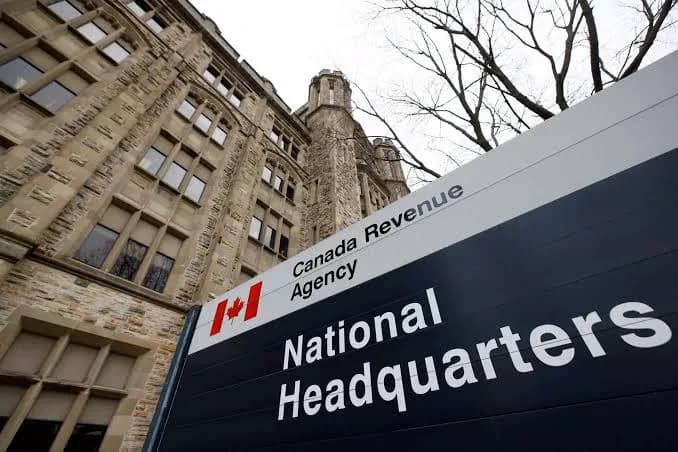
The biggest Canada tax deadlines of the season are here. If you have instalments to pay, want to use your FHSA room, or are already thinking ahead to RRSP season, the next few weeks matter more than most people realise.
For most Canadians, December 15, 2026 is the last instalment date for the year, December 31, 2026 is the last day to make a 2026 FHSA contribution, and RRSP planning is already on the radar for the 2026 contribution window that runs into early March 2027. If you want help with your personal tax return, this is the right time to get organised.
“I’ll deal with RRSPs after the holidays.”
That is where the problem starts. The tax calendar does not wait for January to get serious.
Canada tax deadlines that matter before year-end
We like to keep this simple. There are three dates Canadians should be paying attention to right now, and they affect very different parts of your tax picture. The CRA’s instalment due dates page, its FHSA contribution rules page, and its RRSP important dates page all point to the same practical message. Do not leave these until the last minute.
If you are a salaried employee, these dates may feel easy to ignore. If you are self-employed, make instalments, or are planning a first home purchase or retirement contribution, they can affect real money. That is why we keep these deadlines front and centre in our tax planning work.
December 15, 2026: the last instalment date for many Canadians
If CRA has told you to pay income tax by instalments, December 15, 2026 is the date to hit now. The CRA says most individuals who have to pay instalments for 2026 are due on March 15, June 15, September 15 and December 15. If the CRA has your instalment schedule, this is the final payment date of the year.
This matters because instalments are not optional once they are required. If your payment is late or short, CRA can charge instalment interest and, in some cases, penalty charges. That is exactly the kind of avoidable cost that catches people by surprise.
There is one important exception. If your main source of income is farming or fishing, you follow a different instalment schedule and usually have one annual due date of December 31. If that is you, check the CRA page carefully and do not assume the regular quarterly rule applies to your situation.
For self-employed readers, this date is especially important because instalments and business income often run together. If you are not sure whether you are on the instalment system, our tax help for self-employed Canadians can help you sort out what the CRA expects.
December 31, 2026: the FHSA contribution cutoff
The FHSA is one of the clearest year-end deadlines on the calendar. The CRA says the contribution period for FHSAs runs from January 1 to December 31 of the same year. In plain English, that means a contribution has to be made by December 31, 2026 if you want it to count for 2026.
This is important because an FHSA contribution is not like a January RRSP contribution. A deposit made after December 31 does not belong to 2026. It falls into the next year’s contribution period instead. If you are planning to claim the deduction for 2026, do not wait for the holidays to pass.
For first-time home buyers, this can be a very useful year-end move. The FHSA can help you build savings with tax advantages, but only if the money gets in on time. If you are also comparing your options with other registered plans, it can be worth thinking through your home-buying timeline and your broader savings plan together.
If you are not sure how an FHSA fits with your family situation, our married and common-law tax guide can also help you think through shared planning decisions.
RRSP planning should already be on the radar
RRSP season follows right after year-end, which is why smart planning starts now. The CRA’s RRSP timing rules say the contribution window runs through the first 60 days of the following year, and the contribution-year guidance shows how that window is counted. For the 2026 tax year, that deadline lands on March 1, 2027.
That gives you a little breathing room, but not as much as people think. If you need to move money around, check your deduction room, or decide whether to contribute for yourself or a spouse, it is better to do that before the calendar gets too busy. We see the same thing every year. People wait until late February, then scramble.
The good news is that RRSP contributions are flexible. The CRA says you can deduct contributions on the return for the year you made them, or carry them forward and deduct them in a future year. That means you do not have to make the decision in a panic. You do, however, need to make the contribution on time and keep track of your room.
If you are looking at your retirement savings plan now, our tax planning service is the place to start. It is also worth checking the CRA’s RRSP contribution questions and answers page if you want to see how undeducted contributions work.
Example: a December contribution and a January decision
Let’s say Aman puts money into his RRSP in January 2027. That contribution still belongs to the 2026 contribution window. Aman can then decide whether to claim the deduction on his 2026 return or save it for a future year, depending on his income and tax plan. That is a useful option, but only if he keeps the paperwork straight.
This is where the RRSP and FHSA rules feel similar. The money can help you, but timing matters. If the deposit does not land in the right window, the tax result changes.
If you are self-employed, your calendar is busier
Self-employed Canadians need to keep one more layer of deadlines in mind. The CRA’s 2027 deadlines page says that for self-employed individuals, the filing deadline for 2026 income is June 15, 2027, but the payment deadline for any balance owing is still April 30, 2027. That split deadline is one of the most common sources of confusion.
So even though your return can be filed later, your tax bill cannot. If you owe money, April 30 is the date that matters. Instalment payments also continue through 2027 on March 15, June 15, September 15 and December 15. If your business income is steady, you should already be thinking about those dates too.
This is why recordkeeping matters so much for sole proprietors, gig workers and incorporated owners who also have personal filing obligations. Our self-employed tax return service is built for that kind of mixed calendar, where business income, instalments and deductions all have to line up.
A simple year-end checklist
Here is the practical version. Before the year ends, check these items one by one:
Confirm whether you have a December 15 instalment due.
Make your FHSA contribution by December 31 if you want it counted for 2026.
Look up your RRSP room now, not in late February.
If you are self-employed, note your April 30 payment deadline and June 15 filing deadline for 2027.
If you already missed a deadline, do not ignore it. Get it fixed sooner rather than later.
That last point matters. If you are already behind, our back taxes help can be the fastest way to get old returns filed and reduce the stress that builds up when deadlines stack together.
What to do next
The end of the year is busy enough without tax surprises. The trick is to treat these dates as part of your normal financial routine, not as something to think about later. December 15, December 31 and the RRSP deadline in early March all come fast once the holiday season starts.
If you are not sure which deadline applies to you, or you want help getting your instalments, FHSA contributions or RRSP planning sorted out, contact us. We can help you stay on track before the next deadline becomes a problem.