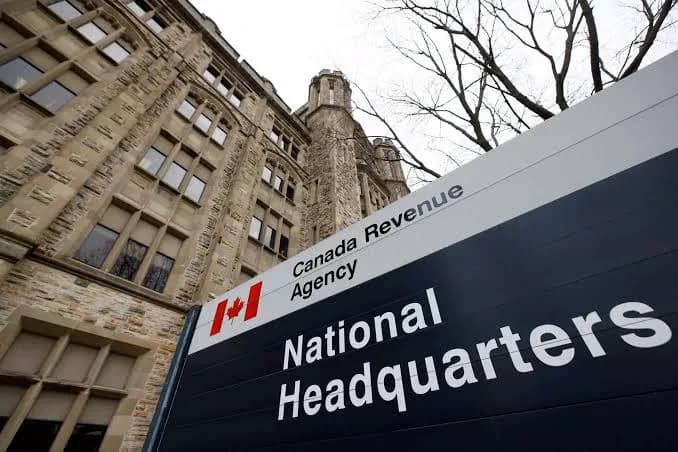


The rrsp deadline 2027 is the date to know now if you want to lower your 2026 tax bill. For most people, the CRA gives you the first 60 days of 2027 to make RRSP contributions for the 2026 tax year, which means the deadline is March 1, 2027. You can check the CRA's important dates for RRSPs page and its RRSP contribution year rules if you want to see how that window works.
That may sound simple, but this is where people get caught. They know they have an RRSP, they know they made contributions, and then tax season arrives with missing receipts or an unused deduction limit they forgot to use. If you are doing a second look review, this is one of the easiest places to find missed savings.
I thought the deadline was the day I filed my return.
RRSP deadline 2027: what the date really means
RRSP contributions are not tied only to the calendar year. The CRA treats the first 60 days of the next year as part of the deduction window for the previous tax year. For 2026, that means contributions made from January 1, 2027 to March 1, 2027 can still be claimed on your 2026 return, as long as you have room.
That is why the date matters. If you wait until after March 1, 2027, the contribution is no longer part of your 2026 deduction window. It may still be useful for 2027, but it will not help lower your 2026 tax bill.
How much RRSP room you may have for 2026
For 2026, the CRA lists the annual RRSP dollar limit as $33,810. The limit is generally based on 18% of your earned income from the previous year, up to the annual cap, and then adjusted for pension information and any unused room you carry forward. You can see the current limit on the CRA's RRSP limits page and read more about how the deduction limit is calculated on the CRA's RRSP deduction limit guide.
Think of it this way: the deadline tells you when you can contribute, but your deduction limit tells you how much you can actually claim. Those are not the same number.
Where to check before you deposit anything
The best place to confirm your RRSP room is your latest notice of assessment, your notice of reassessment, or your CRA account. The CRA also explains where to find your deduction limit on its RRSP deduction limit page.
We always recommend checking the room first, not after the deposit. That is especially important if you already have employer pension contributions, if you switched jobs, or if you claimed a large RRSP amount in a previous year. The CRA uses information from prior returns and plan records to calculate your room, so a quick check can save a lot of guesswork.
Contributing is not the same as claiming
A lot of people assume the deduction happens automatically. It does not. The contribution goes into the RRSP, but the deduction is only used when you claim it on your tax return. If you have room, a contribution made before March 1, 2027 can still be claimed on your 2026 return, but you are not required to use the deduction all at once.
That flexibility can help if your income changes from year to year. Some people claim the full amount right away. Others keep part of the deduction for a future year when their income is higher. This is one of the reasons RRSPs can be part of a broader tax plan, not just a last-minute deposit.
Who should pay attention now
Employees are often the first group to benefit from a last-minute contribution because a bonus, tax refund or cash savings can be redirected before the deadline. Self-employed people may also want a second look if their income changed during the year and they are trying to decide how much to claim now versus later. If that sounds like you, our tax planning service can help you map out the best move.
Married and common-law couples should also look at RRSP timing together. A spousal RRSP can be useful when one partner has higher income and the other partner has unused room. If you want a clear overview of how this works, see our tax help for married and common-law couples.
And if you are self-employed, this deadline matters even more because your RRSP decision often has to be made before your full return is final. That is why we keep RRSP timing in mind alongside other year-end filings and deductions. Our Canada tax deadlines guide is a good companion read.
Receipts and records still matter
A contribution is only helpful if you can support it. Keep the slip or confirmation from your financial institution, and make sure the amount lines up with your records. If you are doing a second look review, missing RRSP receipts are one of the most common items we spot before a return is filed or amended.
This is also the point where a simple filing mistake can turn into a bigger problem. If you contribute more than your room allows, the CRA can charge a 1% per month tax on the excess amount above your limit by more than $2,000. That rule is explained on the CRA's RRSP deduction limit guide.
What happens if you miss the date
If you miss March 1, 2027, the contribution may still be valuable, but it will not count toward your 2026 return. It becomes a 2027 contribution instead, which means the tax deduction shifts to a later year unless you have other room to use.
If you are close to your limit, stop and check before making another deposit. A small mistake can turn into a recurring monthly tax very quickly.
There is also an age rule to keep in mind. If you are 71 or will turn 71 in 2027, the CRA says December 31 of the year you turn 71 is the last day you can contribute to your own RRSP. That rule is covered on the CRA's important dates for RRSPs page.
A simple second look can save you money
The rrsp deadline 2027 is not just a date for the calendar. It is a chance to confirm your room, find a missed receipt, and decide whether a contribution belongs in your 2026 return. For many readers, that second look is the difference between filing on time and filing well.
If you are not sure whether you should claim the deduction now or need help checking your receipts, a short review can make the answer clear. We can help you sort it out through our Second Look Review or you can contact us to get started.